Why Do Lithium Batteries Work So Well for Global Buyers?
Lithium batteries have become a practical choice for phones, laptops, electric vehicles, and energy storage systems. Their appeal begins with chemistry. Lithium atoms are light and release electrons efficiently during discharge. This allows strong energy storage without excessive weight.
So, how do lithium batteries work? Inside each cell, lithium ions move between a graphite anode and a metal-oxide cathode. During use, ions cross the electrolyte, while electrons travel through the external circuit. That controlled movement powers a screen, motor, or household appliance. During charging, the process reverses. Simple in principle. Highly engineered in practice.
Professor Shirley Meng, a respected battery scientist, has stated, “There is no such thing as a perfect battery.” Her point deserves attention. Lithium batteries offer high energy density, useful cycle life, and relatively low self-discharge. These features help global buyers reduce package size and transportation weight. A compact battery can power a delivery vehicle through a working shift. A wall-mounted unit can store solar energy for evening use.
Yet performance changes with temperature, charging speed, cell design, and manufacturing quality. A battery that performs well in Singapore may need different thermal management in northern Canada. Buyers also face questions about warranty support, testing records, recycling, and supply-chain transparency. These details are less exciting than capacity ratings. They matter more than many advertisements suggest.
Lithium batteries work well, but not magically. Their success comes from balanced engineering, careful control, and continuous improvement. Sometimes, the honest answer is incomplete. That is worth remembering.
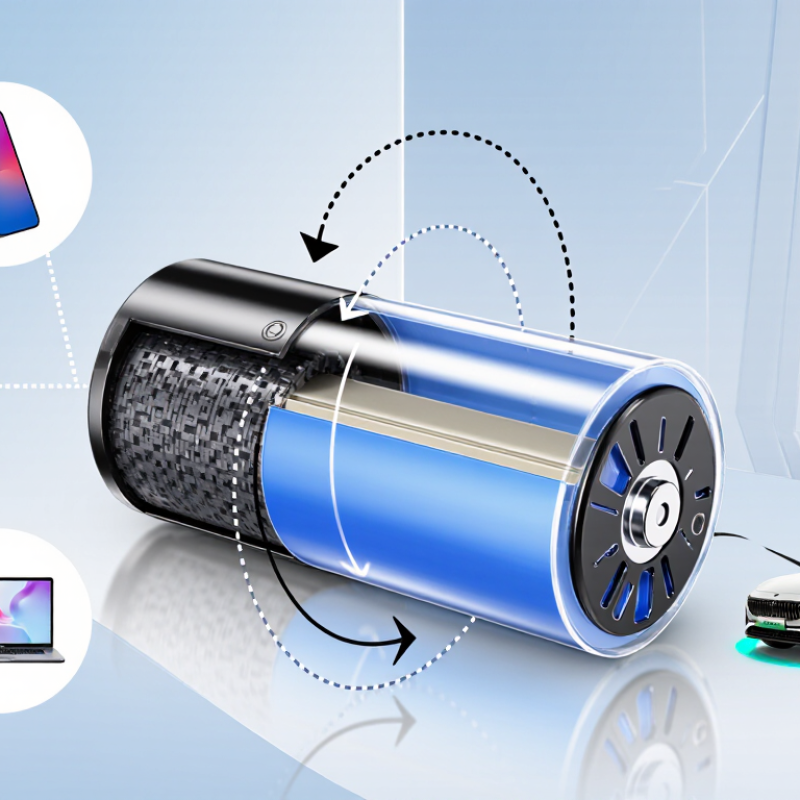
Lithium batteries store energy by moving lithium ions between two electrodes. The negative electrode, usually graphite, holds lithium during charging. The positive electrode receives those ions while the battery supplies power. An electrolyte provides the ion pathway, while a separator keeps the electrodes apart. Without that thin barrier, the cell could fail dangerously.
During discharge, lithium ions travel through the electrolyte toward the positive electrode. Electrons cannot cross the separator, so they move through the external circuit instead. That controlled flow powers a motor, laptop, or storage inverter. Charging reverses the movement. It is a small chemical shuttle, repeated many times.
The technology offers high energy density and useful cycling performance. The International Energy Agency reported that global battery demand from the energy sector exceeded 750 GWh in 2023, rising about 40% from 2022. The U.S. Department of Energy identifies lithium-ion cells as a leading rechargeable format because they combine relatively high voltage with low weight. Typical cell-level energy density may reach roughly 150–250 Wh/kg, depending on chemistry and design. Pack-level results are lower.
The numbers need caution. Heat, age, charging speed, and cold weather reduce usable capacity. A battery rated at 100 units will not always deliver 100 units in daily conditions. That gap matters for global buyers. Safety depends on cell quality, thermal control, protection circuits, and correct installation. Lithium batteries work impressively, but they are not magic.
Why Do Lithium Batteries Work So Well for Global Buyers?
Lithium batteries offer high energy density, which means more stored electricity in a smaller, lighter package. A typical lithium-ion cell can provide roughly 150–250 Wh/kg, while lead-acid batteries often deliver only 30–50 Wh/kg, according to U.S. Department of Energy technical references. Weight matters. This difference helps electric vehicles travel farther and lets portable equipment operate without bulky battery cabinets.
Industry data supports this advantage. The International Energy Agency reported that global battery demand for electric vehicles exceeded 750 GWh in 2023. BloombergNEF’s 2023 Battery Price Survey recorded an average lithium-ion pack price of 139 dollars per kWh, a significant decline from earlier years. Lower prices can improve purchasing decisions, although shipping, certification, cooling systems, and recycling still affect the final cost. A dense battery is not automatically a perfect battery. Heat, charging habits, and long-term storage can reduce real-world performance.
Tips: Compare usable energy, not only rated capacity. Check operating temperature ranges and tested cycle life. Ask suppliers for independent safety reports and cell-level quality records. A compact pack may look efficient, but poor thermal control can create maintenance problems. Buyers should also question unusually cheap quotations; saving money upfront may increase replacement costs later.
| Lithium Battery Chemistry | Typical Cell Energy Density | Typical Volumetric Energy Density | Nominal Cell Voltage | Typical Cycle Life | Main Advantages | Common Applications |
|---|---|---|---|---|---|---|
| Lithium Iron Phosphate (LFP) | 120–200 Wh/kg | 220–320 Wh/L | 3.2 V | 2,000–7,000 cycles | High thermal stability, long service life, strong safety performance, and lower material cost | Stationary energy storage, electric buses, commercial vehicles, backup power, and entry-level electric vehicles |
| Nickel Manganese Cobalt Oxide (NMC) | 150–250 Wh/kg | 250–700 Wh/L | 3.6–3.7 V | 1,000–3,000 cycles | High energy density, balanced power output, and good use of available battery space | Passenger electric vehicles, electric tools, e-bikes, portable power stations, and consumer electronics |
| Nickel Cobalt Aluminum Oxide (NCA) | 200–280 Wh/kg | 450–700 Wh/L | 3.6–3.7 V | 1,000–2,000 cycles | Very high gravimetric energy density and efficient use of limited vehicle space | Long-range electric vehicles and high-performance rechargeable battery systems |
| Lithium Cobalt Oxide (LCO) | 150–240 Wh/kg | 300–600 Wh/L | 3.6–3.7 V | 500–1,000 cycles | High energy density and compact form factor | Mobile electronics, cameras, laptops, and other compact portable devices |
| Lithium Manganese Oxide (LMO) | 100–160 Wh/kg | 200–350 Wh/L | 3.7–4.0 V | 500–2,000 cycles | Good power capability, relatively low material cost, and improved thermal performance compared with some cobalt-rich chemistries | Power tools, medical equipment, hybrid vehicles, and high-power battery packs |
| Lead-Acid Reference | 30–50 Wh/kg | 60–100 Wh/L | 2.0 V | 200–500 cycles | Low initial cost and established recycling infrastructure | Vehicle starting systems, emergency backup, industrial equipment, and low-cost stationary storage |
| Nickel-Metal Hydride Reference | 60–120 Wh/kg | 140–300 Wh/L | 1.2 V | 500–1,000 cycles | Reliable operation and relatively mature safety characteristics | Hybrid vehicles, rechargeable consumer products, and specialized industrial equipment |
Note: Energy-density and cycle-life figures are typical industry ranges for rechargeable cells and can vary according to cell design, electrode materials, operating temperature, charging rate, depth of discharge, battery-management settings, and pack-level construction. Pack-level energy density is normally lower than cell-level energy density because of housings, wiring, cooling systems, and protection electronics.
Why Do Lithium Batteries Work So Well for Global Buyers?
Rechargeability makes lithium batteries useful in homes, transport, warehouses, and remote work sites. A phone can regain power during a short lunch break. An electric tool can return to service before the next task begins. This reduces dependence on single-use batteries and lowers routine replacement costs.
In practical use, lithium batteries offer high energy in a relatively light package. That matters for delivery equipment, medical devices, portable lighting, and backup power systems. Industrial users also value predictable charging schedules. A warehouse vehicle may charge overnight and operate through several shifts. Battery management systems monitor temperature, voltage, and charging speed. These controls help protect performance and improve daily reliability.
Still, rechargeability is not effortless. Capacity gradually declines with age, heat, deep discharge, and poor storage habits. Charging in extreme temperatures can create avoidable problems. Not every battery reaches its advertised service life. That is worth remembering. Buyers should check operating conditions, charging standards, warranty terms, and local recycling options. In my view, careful maintenance often matters as much as battery chemistry. A cool, dry storage area and compatible charger can make a noticeable difference. The technology is strong, but user decisions remain part of the result.
Lithium batteries suit global supply chains because they deliver strong energy from compact, manageable units. In procurement reviews, this often reduces equipment size, storage space, and shipment weight. A smaller battery can leave more room for protective packaging and accessories. That matters when products travel through several warehouses and ports.
Their stable output also supports predictable product performance across long distribution cycles. Rechargeable designs can reduce replacement frequency for many applications. Buyers can plan replenishment more accurately when battery specifications remain consistent. Clear capacity ratings, cycle data, and test records help purchasing teams compare suppliers professionally. Traceable production records add another layer of confidence. Small details matter.
Yet lithium is not automatically the best answer. Higher energy density demands careful handling, suitable packaging, and trained warehouse staff. Our early sourcing estimates sometimes focused too heavily on unit price. Later reviews showed that documentation, inspection, and transport preparation affected the real cost. Global buyers should check cell quality, protection systems, labeling, and applicable transport requirements before placing large orders. They should also ask how suppliers manage defects and batch variation. No supply chain is perfect. A delayed certificate or unclear specification can interrupt an otherwise efficient shipment. This is where honest communication becomes practical, not promotional. Temperature exposure during storage deserves attention too, especially when containers wait under changing conditions. Suppliers who provide responsive technical support can help buyers adjust forecasts, packaging plans, and delivery schedules without creating unnecessary waste.
Why Do Lithium Batteries Work So Well for Global Buyers?
Key Safety, Cost, and Environmental Considerations
Lithium batteries offer high energy density, compact size, and dependable daily performance. For global buyers, these traits reduce product weight and storage space. The economics are also changing. BloombergNEF reported an average lithium-ion battery pack price of 115 dollars per kilowatt-hour in 2024, down 20% from 2023. Lower prices can improve purchasing flexibility, but lower price does not guarantee lower total cost.
Safety requires more than a protective label. Buyers should verify battery management systems, cell consistency, thermal controls, and test records. UN 38.3 transport testing is essential for international movement. IEC 62133-2 also provides useful guidance for portable battery safety. A damaged pack can heat quickly. Small details matter. Clear inspection procedures, dry storage, and controlled charging reduce avoidable risks. Still, safety claims deserve skepticism when documentation is incomplete.
Environmental performance is more complex. The International Energy Agency reported that global lithium-ion battery demand reached about 750 gigawatt-hours in 2023, driven mainly by electric vehicles. Manufacturing can create significant emissions, especially where electricity relies on coal. Recycling helps recover valuable materials, yet collection systems remain uneven across markets. Buyers should examine lifecycle data, recycled content, and end-of-life arrangements. The uncomfortable point is simple: a battery may support cleaner transport, while its production footprint still needs improvement.
Relative comparison of representative energy, efficiency, and cycle-life performance
Lithium-ion batteries are shown as the 100-point reference because they typically provide approximately 150–250 Wh/kg specific energy, 90–95% round-trip efficiency, and 1,000–2,000 charge cycles. The comparison uses representative midpoint values for lead-acid and nickel-metal hydride batteries. Real-world results depend on cell chemistry, temperature, charging limits, enclosure design, and battery-management systems. Lithium batteries can reduce lifetime cost through higher usable energy and longer service life, but safe operation requires certified protection systems, thermal controls, responsible sourcing, and end-of-life recycling.
Lithium-ion cells typically provide about 150–250 Wh/kg. Lead-acid batteries often provide only 30–50 Wh/kg. This difference saves space and weight. Weight matters.
A lighter battery can support longer travel distances. It also reduces the need for large battery cabinets. Real driving range still depends on temperature, speed, and charging habits.
No. A small pack may overheat without effective thermal control. Heat can reduce capacity and shorten service life. Compact does not mean perfect.
Compare usable energy, not only the advertised capacity. Check operating temperatures and tested cycle life. Ask for independent safety reports and cell-level quality records. Numbers can look impressive.
Extreme temperatures and poor charging routines can reduce long-term performance. Controlled charging is safer than careless charging. Long storage also requires suitable conditions.
Request transport test records, safety reports, and battery management details. Confirm thermal controls and cell consistency. Incomplete documentation deserves skepticism. Labels are not proof.
Not always. Shipping, certification, cooling, maintenance, and recycling add expenses. A cheap quotation may cause higher replacement costs later. Cheap is not always cheap.
Examine manufacturing emissions, recycled content, and end-of-life plans. Recycling can recover valuable materials, but collection systems differ between markets. The calculation is not perfect. Cleaner transport can still have a production footprint.
Lithium batteries work by moving lithium ions between two electrodes through an electrolyte, while electrons flow through an external circuit to provide usable power. This answers the question, “how do lithium batteries work,” and explains why they can store substantial energy in a relatively light and compact form. Their high energy density supports longer operating times for portable devices, electric transportation, backup systems, and industrial equipment.
Because they can be recharged many times, lithium batteries are practical for everyday and large-scale applications. Their consistent performance, flexible sizes, and efficient shipping characteristics also make them suitable for global supply chains. However, responsible use requires attention to safety, including proper charging, storage, transportation, and protection from damage or overheating. Cost depends on materials, production, and battery design, while environmental considerations include resource use, energy consumption during manufacturing, and end-of-life recycling. Continued improvements can help increase durability, safety, affordability, and sustainability.

Volt Power